In LQS Login digital-first environment, secure online platforms play a vital role in managing data, workflows, and user access. One such platform that many users search for is LQS login. Whether you are a first-time user trying to understand the system or a returning user facing login issues, knowing how LQS works can save time and frustration.
The LQS login system is designed to provide users with controlled access to specific tools, dashboards, or services depending on their role. While the name “LQS” may refer to different systems depending on the organization using it, the login process usually follows similar principles of security, authentication, and user verification.
This article breaks down everything you need to know about LQS login in a clear and practical way. From understanding what LQS is, to step-by-step login instructions, troubleshooting problems, and security best practices, this guide covers it all in detail.
What Is LQS and Why the LQS Login Matters
LQS generally stands for a Login or Learning/Quality System used by organizations, institutions, or service providers to manage users and data. The exact function of LQS can vary, but the core idea remains the same: it is a centralized platform that requires authorized access through a login portal.
The importance of the LQS login lies in how it protects sensitive information. Many LQS platforms store private records, performance data, reports, or internal tools that should only be accessed by approved users. Without a secure login process, this data would be vulnerable to misuse or breaches.
From an operational standpoint, LQS login also helps organizations track user activity, manage permissions, and maintain accountability. Every login action is tied to a specific user, which ensures transparency and better system management. This is why understanding how LQS login works is essential for both users and administrators.
How the LQS Login System Work
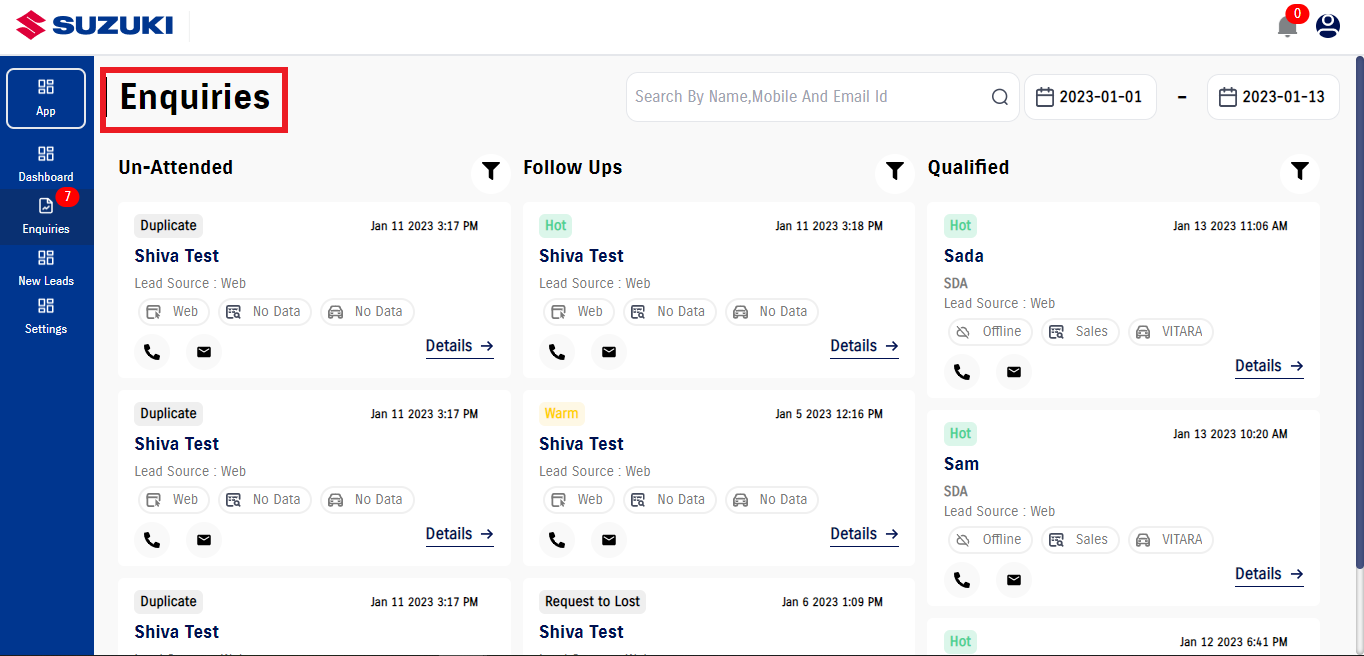
The LQS login system typically functions through a username and password combination. When a user enters their credentials, the system verifies them against stored records before granting access. This process happens in seconds but involves multiple security checks behind the scenes.
In many cases, LQS platforms also include additional authentication layers. These may include verification codes, security questions, or device recognition. These features are designed to prevent unauthorized access, especially if login credentials are compromised.
Once logged in, users are directed to a dashboard or control panel tailored to their role. For example, an administrator may see system-wide controls, while a standard user may only access limited features. This role-based access is a key strength of the LQS login framework.
Step-by-Step Guide to Accessing LQS Login
Accessing the LQS login portal is usually straightforward, but first-time users may feel uncertain. The first step is locating the official login page provided by your organization or service provider. This is often shared via email, internal documentation, or an official website.
After reaching the login page, you will be prompted to enter your registered username or email address along with your password. It is important to enter the information exactly as provided, as many LQS systems are case-sensitive and will reject incorrect formatting.
Once your credentials are verified, you will gain access to your LQS dashboard. If the system includes extra security checks, you may need to complete a verification step before proceeding. After successful login, always ensure you log out properly, especially when using a shared or public device.
Common LQS Login Problems and Their Causes
Despite its simplicity, users sometimes face issues while attempting LQS login. One of the most common problems is entering incorrect credentials. This can happen due to typing errors, forgotten passwords, or using an unregistered email address.
Another frequent issue involves browser-related problems. Cached data, outdated browsers, or disabled cookies can interfere with the login process. In such cases, clearing browser cache or switching to a different browser often resolves the issue.
Account-related restrictions can also block LQS login access. If an account is inactive, suspended, or locked after multiple failed attempts, users may need to contact system administrators or support teams to restore access. Understanding these causes helps users troubleshoot issues more effectively.
How to Reset or Recover Your LQS Login Credentials
If you forget your LQS login password, most systems offer a password recovery option. This is typically found below the login form as a “Forgot Password” link. Clicking it will guide you through the recovery process.
The system usually asks for your registered email or username and sends a password reset link or verification code. Following the instructions carefully allows you to create a new password and regain access without manual assistance.
For users who cannot recover access through automated methods, contacting the LQS support team or administrator is the next step. They can verify your identity and reset your credentials securely. Keeping your contact information updated ensures smoother recovery when needed.
Security Best Practices for LQS Login Users
Security plays a major role in any login-based system, and LQS is no exception. One of the most important practices is using a strong and unique password. Avoid common words, predictable patterns, or reused passwords from other platforms.
Users should also be cautious when accessing LQS login on public or shared networks. Logging in over unsecured Wi-Fi can expose credentials to potential threats. Whenever possible, use trusted devices and secure connections.
Regularly updating passwords and logging out after each session further enhances security. If you notice any unusual login activity or receive unexpected alerts, report them immediately. Staying proactive helps protect both your account and the overall system.
Benefits of Using a Centralized LQS Login System
A centralized LQS login system offers several advantages for organizations and users alike. It simplifies access by allowing users to manage multiple functions through a single portal rather than juggling multiple accounts.
From an administrative perspective, centralized login makes user management more efficient. Administrators can control permissions, monitor activity, and enforce security policies from one place, reducing errors and inconsistencies.
For users, the experience is more streamlined and user-friendly. Once logged in, they can access relevant tools and information without repeated authentication. This balance of convenience and security is a key reason why LQS login systems are widely adopted.
LQS Login on Mobile and Different Devices
Many modern LQS platforms are optimized for use across different devices, including smartphones and tablets. Mobile-friendly login pages ensure that users can access their accounts even when away from a desktop computer.
However, mobile access also comes with responsibilities. Users should ensure their devices are protected with screen locks and updated operating systems. This reduces the risk of unauthorized access if a device is lost or stolen.
Some LQS systems may also offer dedicated mobile apps. These apps often include additional security features like biometric login options, making access both easier and safer for users on the go.
Final Thoughts on LQS Login
The LQS login system is more than just a gateway; it is a critical component of secure and organized digital access. Understanding how it works, how to use it correctly, and how to resolve common issues can significantly improve your experience.
Whether you are a new user learning the basics or an experienced user looking to optimize security, mastering LQS login procedures is essential. A well-managed login process ensures data protection, smooth workflows, and reliable access to important tools.
By following best practices and staying informed, users can make the most of their LQS login while avoiding unnecessary problems. In a world where digital security matters more than ever, being login-smart is not just helpful—it’s necessary.