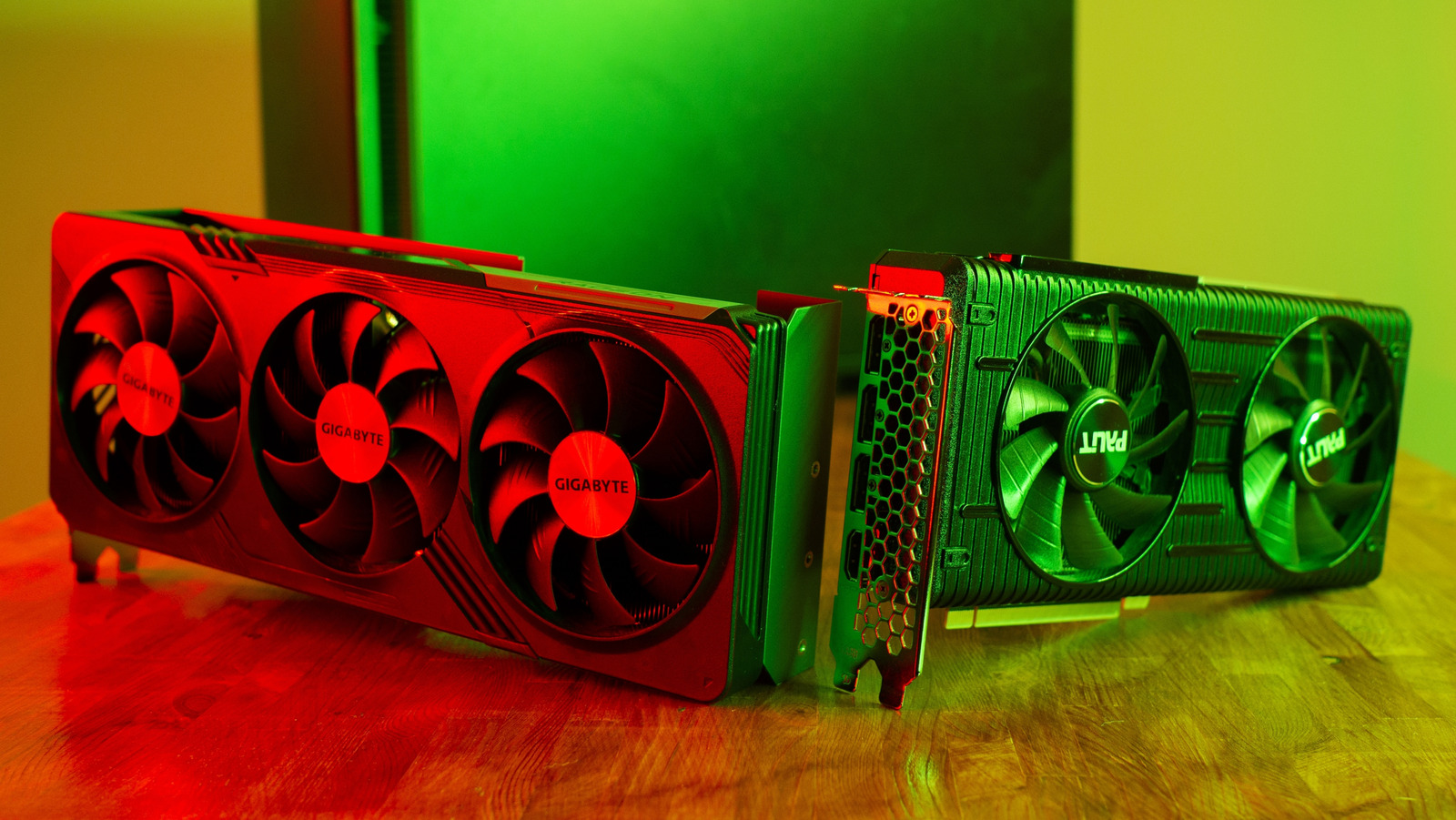
When it comes to high-performance graphics, AMD GPU solutions have carved out a solid reputation in the gaming, creative, and professional industries. Whether you’re a hardcore gamer, a video editor, or someone building a custom PC, understanding AMD’s graphics processing units (GPUs) is essential. These GPUs aren’t just about rendering smooth graphics; they’re about delivering cutting-edge technology at competitive prices.
In this article, we’ll explore AMD GPUs in depth—from their evolution and technology to performance, comparisons with competitors, and why they remain a popular choice among enthusiasts and professionals alike.
The Evolution of AMD GPUs
AMD, short for Advanced Micro Devices, has been a prominent player in the graphics card market for decades. The company entered the GPU market in earnest after acquiring ATI Technologies in 2006, a move that instantly positioned AMD as a serious contender against NVIDIA. The merger allowed AMD to leverage ATI’s expertise in graphics technology, resulting in a new era of innovation.
Initially, AMD GPUs focused on delivering affordable options for casual users and budget gamers. Over time, they evolved to target high-end markets with the Radeon series, which has become synonymous with performance, reliability, and cutting-edge features. From the early HD series to the current RDNA 3 architecture, AMD has consistently pushed the boundaries of what GPUs can achieve.
Another critical factor in AMD’s evolution is their focus on open standards like FreeSync and Vulkan. Unlike some competitors, AMD has invested heavily in technologies that promote compatibility and user-friendly experiences across different devices and platforms. This has helped AMD GPUs maintain a loyal fanbase even during competitive market swings.
Key Features of AMD GPUs
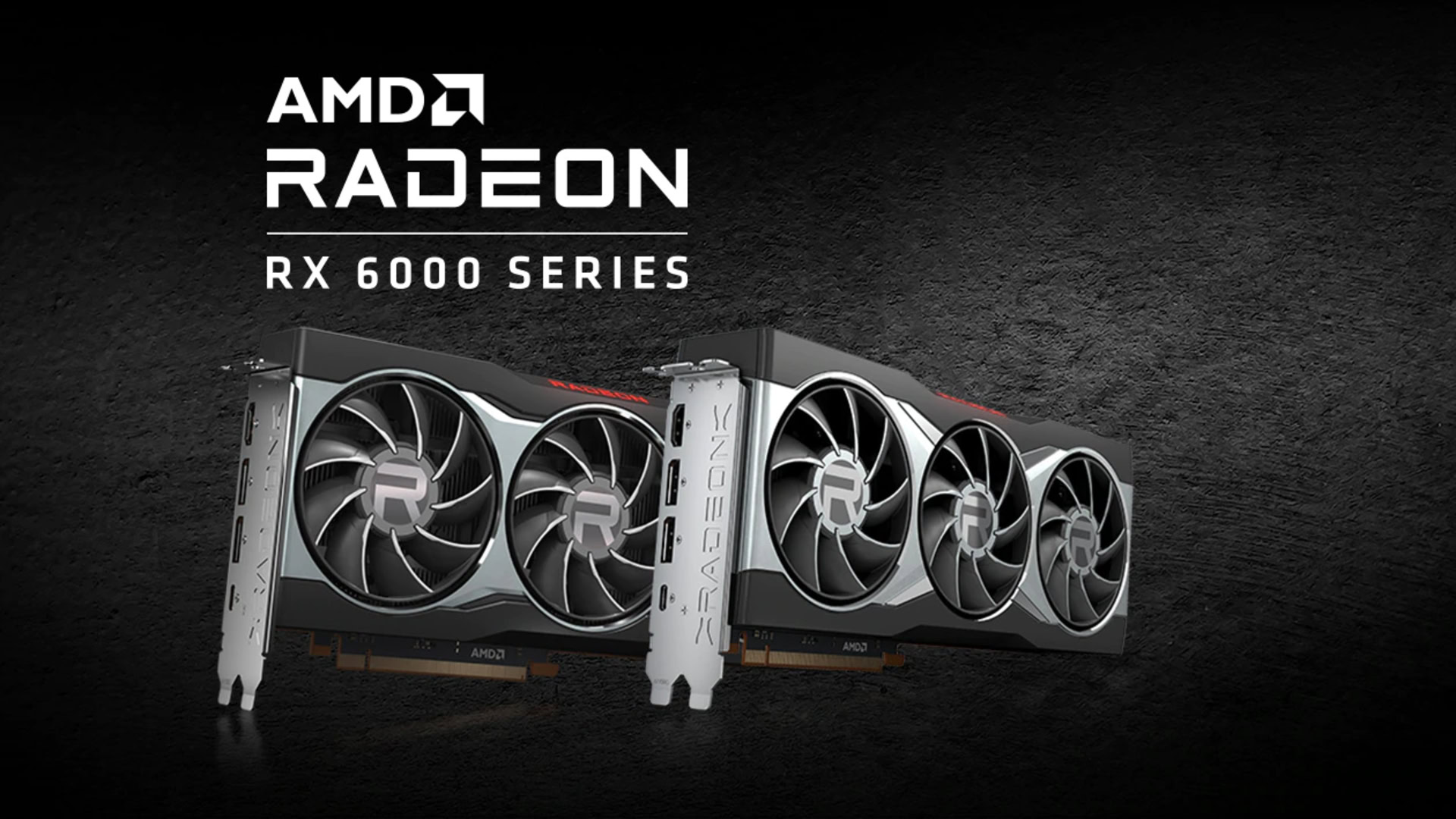
AMD GPU are known for offering a robust set of features that cater to both gamers and professionals. One of the standout technologies is RDNA (Radeon DNA) architecture, which has gone through multiple iterations—RDNA 1, RDNA 2, and the latest RDNA 3. Each version brings improvements in performance-per-watt efficiency, higher clock speeds, and enhanced visual fidelity.
Another important feature is Ray Tracing. AMD has incorporated hardware-accelerated ray tracing in its modern GPUs, allowing for more realistic lighting, shadows, and reflections in supported games. While NVIDIA initially led in this technology, AMD has steadily closed the gap, making their GPUs a viable option for gamers who want immersive experiences without breaking the bank.
Additionally, AMD GPUs support Infinity Cache, a unique memory architecture that significantly boosts bandwidth efficiency. This translates to smoother gameplay and faster rendering for creative applications. For streamers and content creators, AMD’s GPUs also integrate seamlessly with software like OBS Studio, providing hardware encoding options for better performance without taxing the CPU.
Performance in Gaming
One of the most critical aspects of any GPU is gaming performance, and AMD has consistently delivered strong results in this arena. Modern AMD GPUs, especially those in the RX 6000 and RX 7000 series, offer competitive frame rates at 1080p, 1440p, and even 4K resolutions.
AMD GPUs are particularly well-suited for high-refresh-rate gaming thanks to technologies like Radeon Anti-Lag and Radeon Boost. These innovations minimize input lag and dynamically adjust resolution to maintain smooth performance, which can be a game-changer in fast-paced competitive titles like Call of Duty or Fortnite.
Moreover, AMD continues to optimize its drivers through the Radeon Software Adrenalin Edition, which allows users to fine-tune GPU performance, monitor temperatures, and overclock safely. This level of software support ensures that AMD GPUs not only perform well out of the box but can also be optimized for personal preferences and specific games.
AMD vs NVIDIA: The GPU Showdown
When comparing AMD GPUs to NVIDIA, the debate usually centers around raw performance, features, and price-to-performance ratio. Historically, NVIDIA held a lead in ray tracing performance and AI-driven technologies like DLSS (Deep Learning Super Sampling). However, AMD has responded with its own solutions such as FidelityFX Super Resolution (FSR), which provides similar upscaling benefits without requiring proprietary hardware.
Price is another area where AMD often shines. AMD GPUs generally offer comparable or better performance for a lower cost, making them an attractive choice for gamers on a budget. Additionally, AMD has worked to close the gap in power efficiency and thermals, especially with the RDNA 3 architecture, making their cards quieter and cooler under load.
It’s also worth noting that AMD GPUs are increasingly becoming a preferred option for workstation tasks, like video editing, 3D rendering, and CAD work. While NVIDIA still dominates some professional niches due to CUDA cores, AMD’s focus on open standards ensures broader compatibility and flexibility for various software applications.
Creative and Professional Use
AMD GPUs are not just for gaming—they are also powerful tools for creators. The Radeon Pro series, for example, targets professionals in 3D modeling, animation, and digital content creation. These cards are optimized for software like Autodesk Maya, Blender, and Adobe Creative Suite, delivering stability and consistent performance.
One major advantage of AMD GPUs in professional workflows is their support for OpenCL and ROCm (Radeon Open Compute). These platforms allow developers to leverage the GPU for general-purpose computing tasks, such as scientific simulations, machine learning, and data analysis. This versatility makes AMD GPUs a strong contender for both creative and scientific computing environments.
Moreover, AMD’s emphasis on energy efficiency and cooling means that creative professionals can rely on these GPUs for long rendering sessions without worrying about overheating or excessive power consumption. This is a crucial factor for studios and individual creators who need consistent performance over extended periods.
Future of AMD GPUs
The future of AMD GPUs looks promising. With RDNA 3 already making waves, AMD is expected to continue refining its architecture, bringing even better performance and efficiency. Rumors and announcements about RDNA 4 suggest further improvements in ray tracing, AI acceleration, and memory bandwidth, positioning AMD as a serious challenger to NVIDIA’s dominance.
AMD is also investing in AI-driven gaming and compute technologies, which could redefine how GPUs handle rendering, upscaling, and real-time simulations. The company’s commitment to open standards ensures that these innovations will be accessible to a wide range of developers and users, rather than being locked behind proprietary systems.
Finally, AMD’s competitive pricing and focus on consumer-friendly technologies like FreeSync and FSR will likely keep their GPUs attractive to gamers and professionals alike. As games demand more graphical power and content creators require faster workflows, AMD GPUs are poised to remain a top choice in the market for years to come.
Conclusion
In summary, AMD GPUs have grown from budget-friendly options to powerful solutions for gaming, creative, and professional applications. With features like RDNA architecture, ray tracing, Infinity Cache, and robust software support, AMD delivers performance that rivals competitors while maintaining excellent value.
Whether you’re a gamer looking for high frame rates, a content creator needing reliable rendering power, or a professional seeking efficient compute solutions, AMD GPUs have something to offer. As AMD continues to innovate and refine its technology, one thing is clear: their GPUs are not just graphics cards—they’re tools that empower users to achieve more, play better, and create without limits.