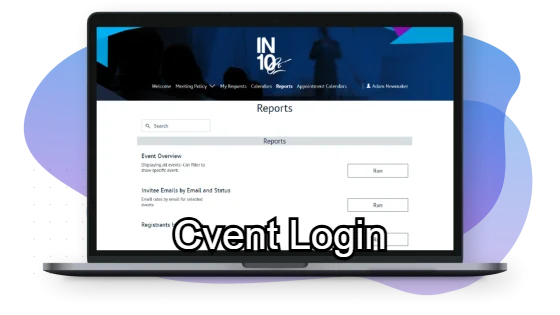
In Cvent Login fast-paced event management world, having a reliable platform to manage registrations, attendees, and event logistics is essential. That’s where Cvent comes in. Known for its comprehensive event management tools, Cvent has become the go-to platform for businesses, organizations, and event planners globally. But to unlock its full potential, understanding the Cvent login process and how to navigate the platform is crucial.
This guide breaks down everything from logging in to troubleshooting common issues, ensuring you can make the most of Cvent’s powerful features.
What is Cvent and Why Login Matters
Cvent is a cloud-based event management software that streamlines the planning, marketing, and execution of events. Whether you’re organizing a corporate conference, a virtual seminar, or a hybrid event, Cvent provides tools for registration, attendee tracking, venue selection, surveys, and reporting.
Logging into Cvent isn’t just about accessing the platform—it’s the gateway to managing your events efficiently. The login process ensures security and personalizes your experience based on your role—whether you’re an event planner, a marketing professional, or a participant attending an event.Key benefits of logging in to Cvent include:
Access to all registered events and dashboards.
Ability to manage attendee lists and registrations.Integration with CRM and marketing tools for seamless event promotion.
For organizations handling multiple events simultaneously, the login portal is the first step toward centralizing operations, improving communication, and boosting productivity.
How to Access the Cvent Login Page
Accessing your Cvent Login account is simple, but it’s important to know the right steps to avoid confusion. Here’s how to do it:
Visit the official website: Go to Cvent.com and locate the login option, usually found at the top-right corner.
Select the appropriate login type: Depending on your role, you may log in as an event planner or an event attendee. Some organizations provide a custom login link, always confirm with your event administrator if you’re unsure.
Enter your credentials: Provide your email address and password associated with youCvent account.
Cvent also supports Single Sign-On (SSO) for organizations, which means you can use your corporate credentials to access the platform without creating a separate password. This simplifies the process and enhances security.
It’s important to note that Cvent login pages are designed to be secure and user-friendly. Always ensure you’re accessing the official page to protect sensitive data.
Steps to Log in to Cvent Account
Once ou’re on the Cvent login page, follow these steps for a smooth login experience:
Enter your email address: Use the email registered with your Cvent account. This is often your work email if you’re accessing it for professional purposes.
Enter your password: Ensure it’s accurate and matches the email. Passwords are case-sensitive, so double-check capitalization.
Click the “Sign In” button: After entering your credentials, clicking the login button takes you to your personalized dashboard.
For added security, Cvent may require two-factor authentication (2FA). If enabled, you’ll receive a verification code via email or text to complete the login process. This additional layer ensures your account stays secure, especially when handling sensitive event data like attendee lists and payment information.
Common Login Issues and How to Solve Them
Even experienced users can face login problems. Luckily, most issues are easy to resolve:
Forgot Password: If you can’t remember your password, click the “Forgot Password” link on the login page. Follow the instructions to reset your password via email.
Browser Issues: Sometimes, outdated browsers or cache can prevent login. Clear your browser cache or try a different browser to see if the problem persistsIncorrect Credentials: Double-check your email and password. If you continue to experience issues, your account might be inactive or blocked, requiring administrator assistance.
SSO or Corporate Login Problems: If your organization uses Single Sign-On, contact your IT department to ensure your credentials are set up correctly.
Cvent also provides support for troubleshooting login issues. You can reach out to their customer service or access the knowledge base for detailed step-by-step solutions.
Tips for a Secure and Efficient Cvent Login
Security is paramount when managing events and handling attendee data. Here are a few tips to ensure a smooth and safe login experience:
se Strong Passwords: Combine letters, numbers, and symbols. Avoid using easily guessable information.
Enable Two-Factor Authentication: Adds an extra layer of protection.
Log Out After Use: Especially on shared or public devices.
Keep Your Software Updated: Ensure your browser and operating system are up-to-date to avoid compatibility issues.
By following these practices, you not only protect your personal and organizational data but also ensure uninterrupted access to Cvent’s features.
Benefits of Staying Logged into Cvent
For frequent users, staying logged in can enhance productivity. Here’s why:
Quick Access: Skip the repeated login process for frequent events or tasks.
Real-Time Updates: Instantly view registration updates, attendee lists, and analytics.
Enhanced Workflow: Streamline planning tasks, surveys, and reporting without delays.
However, it’s crucial to balance convenience with security. Always log out on shared computers and ensure your device is secure.
Conclusion
The Cvent login is more than just an entry point—it’s the gateway to efficient event management. Understanding how to navigate the login process, troubleshoot issues, and stay secure ensures that you can leverage Cvent’s full potential. From planning events and managing attendees to analyzing data and integrating with other tools, your Cvent account is your hub for success.
Whether you’re a seasoned event planner or a participant attending your first virtual seminar, knowing the ins and outs of Cvent login makes your experience seamless and productive. By following best practices and staying aware of security protocols, you can confidently manage events and focus on what truly matters—creating memorable experiences.