
The aviation world pays close attention whenever an aircraft Delta Connection DL3543 Emergency Landing makes an emergency landing, especially when it involves a commercial flight carrying dozens of passengers. The Delta Connection DL3543 emergency landing quickly became a topic of discussion among travelers, aviation analysts, and safety experts. While emergency landings can sound alarming, they are often a sign that safety systems are working exactly as designed.
Commercial aviation operates under strict safety protocols, and regional flights like Delta Connection services follow the same high standards as mainline operations. When an unexpected issue arises, pilots are trained to act decisively, prioritize passenger safety, and land the aircraft as safely and efficiently as possible. That context is critical when understanding incidents like DL3543.
This article provides a complete, clear, and expert-level breakdown of the Delta Connection DL3543 emergency landing, including what an emergency landing actually means, common reasons behind such decisions, how airlines handle these situations, and what passengers can realistically expect during and after the event.
Understanding the Delta Connection DL3543 Emergency Landing
The Delta Connection DL3543 emergency landing refers to a situation where the flight crew made the proactive decision to divert or land the aircraft due to an abnormal condition. In aviation terms, an emergency landing does not automatically indicate danger or failure. Instead, it often reflects caution, professionalism, and adherence to safety procedures.
Pilots are trained to declare an emergency whenever something deviates from normal operating conditions. This could include mechanical alerts, unusual instrument readings, medical situations on board, or even environmental factors. Declaring an emergency allows air traffic control to give the flight immediate priority and support.
In the case of DL3543, the emergency landing demonstrated how regional airline crews follow well-established protocols. Rather than continuing the flight and risking complications, the crew chose the safest available option. This approach aligns with modern aviation philosophy, where early intervention is always preferred over delayed action.
What Qualifies as an Emergency Landing in Commercial Aviation
An emergency landing is any landing performed under circumstances that require immediate attention from air traffic control and ground services. The term can sound dramatic, but in reality, many emergency landings are precautionary rather than reactive to imminent danger.
For flights like Delta Connection DL3543, an emergency declaration can be triggered by warning indicators, unusual sounds, sensor alerts, or system messages that require further inspection on the ground. Pilots do not wait for a problem to escalate; they act as soon as a condition appears outside normal parameters.
It is also important to understand that modern aircraft are built with redundancy. One system issue rarely compromises the entire aircraft. Emergency landings often occur because pilots want maintenance teams to inspect the aircraft immediately rather than taking any chances while airborne.
Common Reasons Behind Regional Airline Emergency Landings
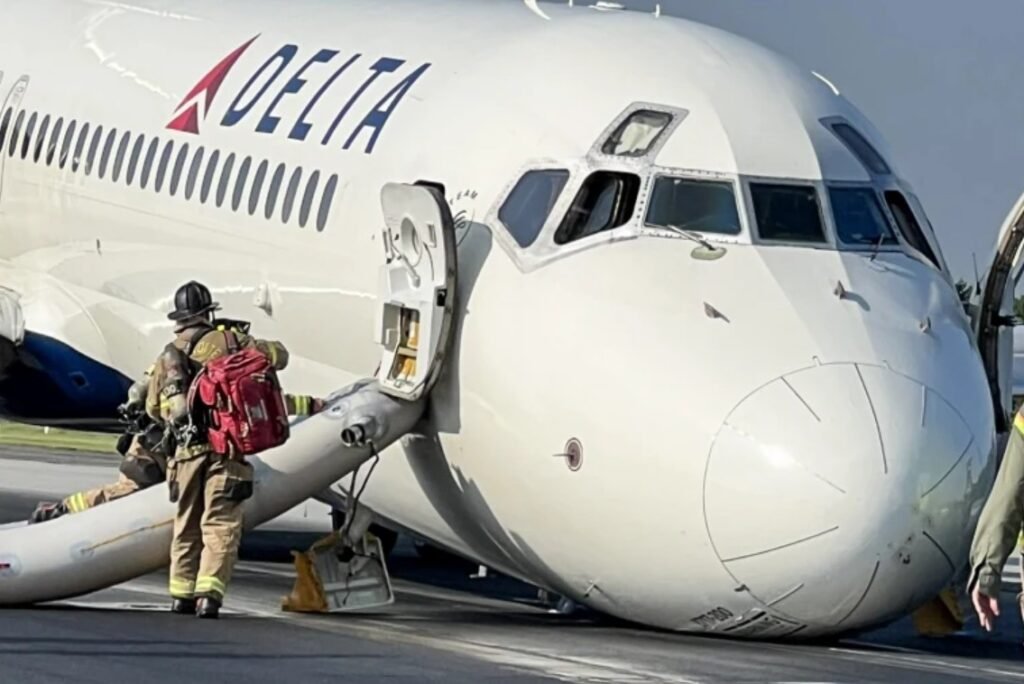
There are several Delta Connection DL3543 Emergency Landing why a regional flight may make an emergency landing, and most are not life-threatening. Mechanical alerts are among the most frequent causes, even when the issue is later found to be minor or sensor-related.
Medical emergencies involving passengers or crew members are another major factor. If someone on board requires urgent medical attention, pilots may declare an emergency to land at the nearest suitable airport. This decision prioritizes health and often has nothing to do with the aircraft itself.
Environmental factors such as smoke odors, pressurization irregularities, or weather-related concerns can also prompt an emergency landing. In all these cases, the decision-making process is rooted in safety-first principles, which likely played a role in the Delta Connection DL3543 emergency landing.
How Delta Connection Crews Are Trained for Emergencies
Delta Connection pilots undergo extensive training that includes simulator sessions designed to replicate real-world emergency scenarios. These simulations prepare crews to handle everything from engine warnings to cabin issues calmly and effectively.
Cabin crew members are equally trained to manage passenger safety, communication, and coordination during unexpected situations. Clear instructions, calm behavior, and efficient procedures are key elements of their response during an emergency landing.
The coordinated response between cockpit and cabin crews ensures that passengers remain informed and protected. The professionalism shown during incidents like DL3543 reinforces the trust travelers place in regional airline operations.
Passenger Experience During the Delta Connection DL3543 Emergency Landing
For passengers, an emergency landing can be stressful, especially if it comes without detailed explanations in real time. However, limited communication during critical phases of flight is normal, as pilots focus on flying the aircraft safely.
Most passengers experience increased alertness rather than chaos. Cabin crews are trained to secure the cabin, provide instructions, and maintain calm. In many cases, passengers only learn the full details after landing, once the aircraft is safely on the ground.
Following the Delta Connection DL3543 emergency landing, passengers would have been assisted by ground personnel, rebooked if necessary, and provided guidance according to airline policy. These post-landing procedures are designed to minimize disruption while ensuring safety remains the top priority.
Aircraft Inspections and Maintenance After an Emergency Landing
After an emergency landing, the aircraft involved is removed from service until a full inspection is completed. Maintenance teams follow strict checklists to identify any mechanical, electrical, or system-related issues that may have contributed to the event.
Even if the issue appears minor, airlines do not take shortcuts. Every component related to the alert or concern is examined, tested, and cleared before the aircraft is approved to fly again. This process can take hours or, in some cases, days.
The Delta Connection DL3543 emergency landing would have triggered such a review process. This level of scrutiny ensures that any potential problem is addressed long before the aircraft returns to passenger service.
Airline Transparency and Safety Reporting
Airlines operate under regulatory oversight that requires detailed reporting of emergency events. These reports are reviewed by aviation authorities to ensure compliance with safety standards and operational best practices.
Transparency plays a key role in maintaining public trust. While not every detail is shared publicly, airlines document incidents thoroughly and use them as learning opportunities to improve training, procedures, and system monitoring.
Incidents like DL3543 are not signs of weakness in aviation safety. Instead, they highlight how layered systems, reporting mechanisms, and regulatory frameworks work together to prevent accidents before they occur.
What Travelers Can Learn from the DL3543 Incident
One important takeaway from the Delta Connection DL3543 emergency landing is that emergency procedures exist for a reason. When pilots choose to land early or divert, it is a sign of responsible decision-making, not failure.
Travelers should also understand that aviation safety is built on prevention. Many emergencies end uneventfully because they are handled early and professionally. This proactive approach is why commercial flying remains one of the safest modes of transportation.
For nervous flyers, understanding the process behind emergency landings can be reassuring. It shows that crews are prepared, systems are monitored continuously, and safety always overrides schedule or convenience.
The Bigger Picture of Regional Airline Safety
Regional airlines like Delta Connection operate thousands of flights daily under strict safety regulations. Emergency landings are rare when compared to the total number of successful flights, and even rarer are events that result in serious outcomes.
The aviation industry continuously evolves, learning from every incident and refining procedures accordingly. Data from events like DL3543 contributes to safer aircraft designs, improved training programs, and better communication protocols.
When viewed in this broader context, the Delta Connection DL3543 emergency landing reinforces confidence rather than concern. It demonstrates a system that identifies potential risks early and responds effectively.
Final Thoughts on the Delta Connection DL3543 Emergency Landing
The Delta Connection DL3543 emergency landing serves as a clear example of how modern aviation prioritizes safety above all else. While the term “emergency” can be unsettling, it often reflects caution, preparedness, and professional judgment rather than imminent danger.
From pilot training and aircraft design to maintenance inspections and regulatory oversight, every layer of aviation safety played a role in ensuring a controlled and secure outcome. Passengers may experience inconvenience, but the ultimate goal is always protection and risk prevention.
In the end, incidents like DL3543 remind us why commercial aviation remains highly trusted. When something unexpected occurs, the system responds swiftly, responsibly, and with safety as the top priority—exactly as it should.