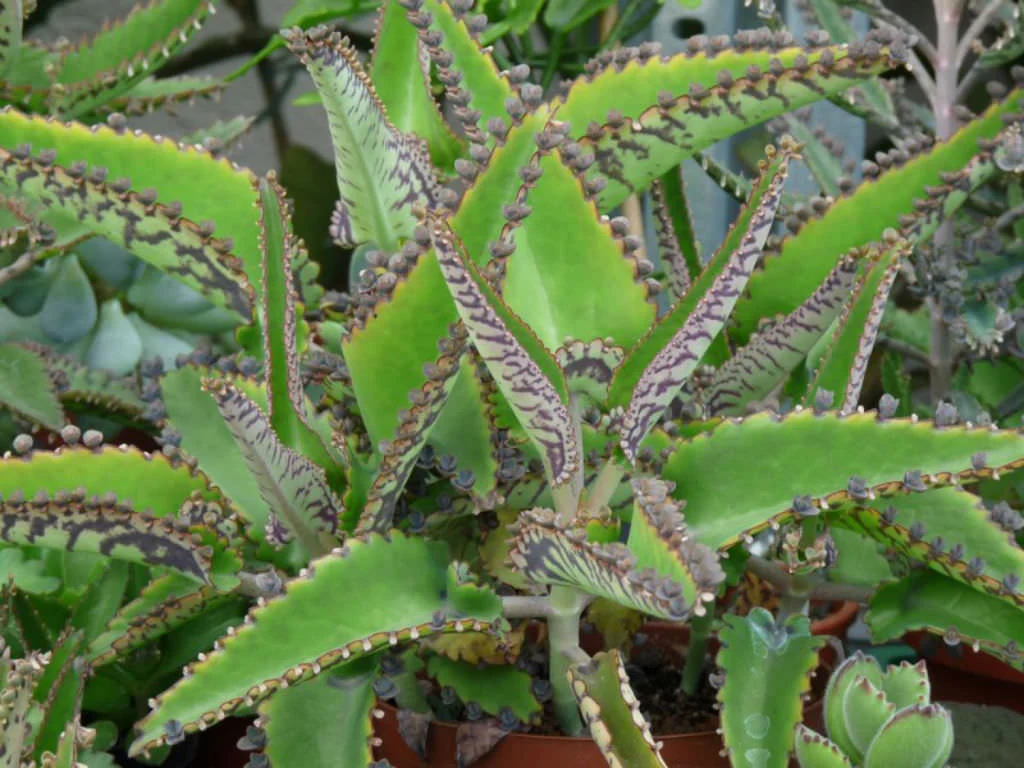
The Mother of Thousands is not just a unique name—it’s a reflection of the plant’s remarkable ability to propagate. Belonging to the Crassulaceae family, this succulent has fascinated plant lovers for decades due to its intriguing reproductive habits, hardiness, and striking appearance. Known scientifically as Kalanchoe daigremontiana, the Mother of Thousands has earned its fame in gardens, homes, and even in research circles.
Unlike many plants that require careful attention to multiply, the Mother of Thousands spreads effortlessly, producing tiny plantlets along the edges of its leaves. This feature makes it a favorite among enthusiasts who love low-maintenance yet visually captivating greenery. In this article, we’ll explore everything from its origins and care requirements to its benefits and challenges, giving you a thorough understanding of this extraordinary succulent.
Origins and Natural Habitat of the Mother of Thousands
The Mother of Thousands is native to Madagascar, an island known for its unique flora and fauna. Madagascar’s climate—warm, semi-arid, and sometimes harsh—has shaped this plant into a resilient survivor. In its natural environment, the Mother of Thousands thrives in rocky landscapes, often taking root in shallow soil cracks where other plants struggle to grow. This adaptation highlights the plant’s ability to flourish under challenging conditions.
Historically, this succulent made its way from Madagascar to various parts of the world through botanical exchanges and the ornamental plant trade. Today, it can be found in households, botanical gardens, and even offices across the globe. Its popularity stems not only from its easy propagation but also from the fascination people have with its unusual leaf-edge plantlets, which give the impression that the plant is “giving birth” to new plants.
Interestingly, despite its aesthetic appeal, the Mother of Thousands is also known in scientific circles for its bioactive compounds. Researchers have studied it for potential medicinal applications, although it’s important to note that the plant is toxic if ingested by humans or pets. This duality—beauty paired with caution—adds to its allure and mystique.
Unique Reproduction: Why It’s Called the Mother of Thousands
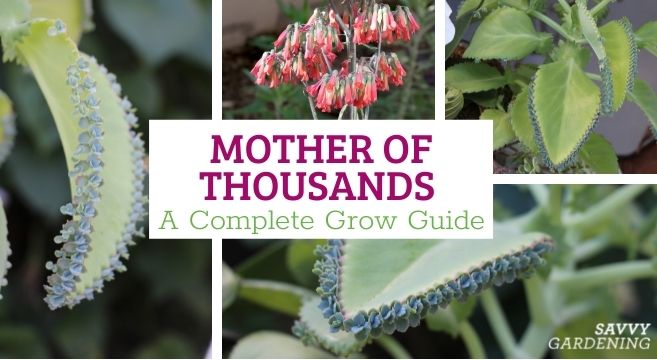
The name Mother of Thousands is not an exaggeration. This plant produces countless tiny plantlets along the edges of its leaves, which eventually fall off and root in the soil, giving rise to new plants. Unlike typical succulents that propagate via cuttings or seeds, the Mother of Thousands essentially grows “babies” from its leaf margins, making it one of the most prolific propagators in the plant world.
Each plantlet is a fully functional clone of the parent, complete with roots ready to anchor into the soil immediately. This method of vegetative propagation ensures that the plant can quickly colonize available space—a survival strategy developed in the competitive environment of Madagascar. For gardeners, this feature is both a blessing and a caution; while propagation is effortless, it can lead to overcrowding if not monitored.
Additionally, this reproductive strategy has sparked curiosity among botanists and enthusiasts alike. Unlike many plants that rely on pollination or external factors for reproduction, the Mother of Thousands is self-sufficient, producing new generations without external intervention. This fascinating trait has made it a subject of educational demonstrations in schools and universities, often illustrating plant cloning and asexual reproduction in action.
Ideal Growing Conditions and Care Tips
Despite its resilience, the Mother of Thousands thrives best when certain conditions are met. This succulent prefers bright, indirect sunlight. Too much direct sun can scorch its leaves, while too little light may hinder growth and reduce its ability to produce plantlets. Indoor growers often place it near a south-facing window, providing ample light without exposure to harsh midday rays.
Soil is another crucial factor. Well-draining, sandy soil is ideal, as water retention can lead to root rot. Many gardeners mix standard potting soil with sand or perlite to mimic the rocky, well-drained environment of Madagascar. Watering should be moderate—enough to keep the soil slightly moist but allowing it to dry between sessions. Overwatering is one of the most common mistakes that can harm this hardy succulent.
Temperature and humidity also play significant roles. The Mother of Thousands prefers temperatures between 60°F and 85°F (15°C to 29°C). While it can tolerate slightly cooler conditions, frost can damage or kill the plant. Its low humidity tolerance makes it suitable for indoor environments, where it often coexists happily with humans and other houseplants. With proper care, this succulent can thrive for years, rewarding owners with abundant plantlets and striking foliage.
Benefits and Uses of the Mother of Thousands
The Mother of Thousands offers more than just visual appeal. In addition to being a fascinating conversation piece, it has been explored for its potential medicinal properties. Traditional uses in Madagascar and other regions include remedies for minor ailments, although scientific evidence remains limited and caution is advised due to its toxicity.
From an ecological perspective, the plant can help prevent soil erosion in suitable outdoor settings. Its robust root system stabilizes soil in rocky or semi-arid landscapes, making it a valuable addition to gardens in challenging terrains. Additionally, its low-maintenance nature makes it an excellent choice for beginner gardeners or those seeking greenery without intensive care routines.
Aesthetic versatility is another benefit. The Mother of Thousands complements a wide range of garden designs—from desert landscapes and rock gardens to modern indoor plant arrangements. Its cascading leaves, dotted with baby plantlets, add texture and visual intrigue. Many enthusiasts also use it in terrariums, hanging pots, or creative DIY plant displays to showcase its remarkable propagation habits.
Challenges and Precautions
While the Mother of Thousands is undeniably fascinating, it comes with some challenges. Its prolific reproduction can easily turn into an invasive issue if not monitored. In outdoor gardens, plantlets can quickly spread beyond intended areas, crowding out other plants. Regular pruning and removal of excess plantlets can help maintain balance.
Toxicity is another concern. The plant contains compounds harmful to humans and pets if ingested. Gardeners should exercise caution, especially in households with small children or animals. Wearing gloves during handling and placing the plant out of reach can mitigate risks.
Finally, pests such as aphids, mealybugs, and spider mites can occasionally affect the Mother of Thousands. While these issues are typically manageable with proper care and attention, early detection is crucial to prevent infestations from spreading. Despite these challenges, many gardeners consider the plant’s beauty and unique propagation well worth the extra care.
Conclusion: A Remarkable Plant for Every Enthusiast
The Mother of Thousands is more than just a succulent—it’s a testament to nature’s ingenuity. Its unusual reproduction, striking appearance, and resilience make it a favorite among both novice and experienced plant enthusiasts. Whether displayed as a centerpiece in your home, a feature in a rock garden, or a subject of botanical study, this plant never fails to captivate.
By understanding its origins, growth requirements, and potential challenges, you can enjoy the Mother of Thousands to its fullest. With a little care and attention, this plant will continue to give—literally producing thousands of new generations, each a miniature marvel of nature.
For anyone looking to combine beauty, curiosity, and easy propagation, the Mother of Thousands is truly a plant that keeps on giving.