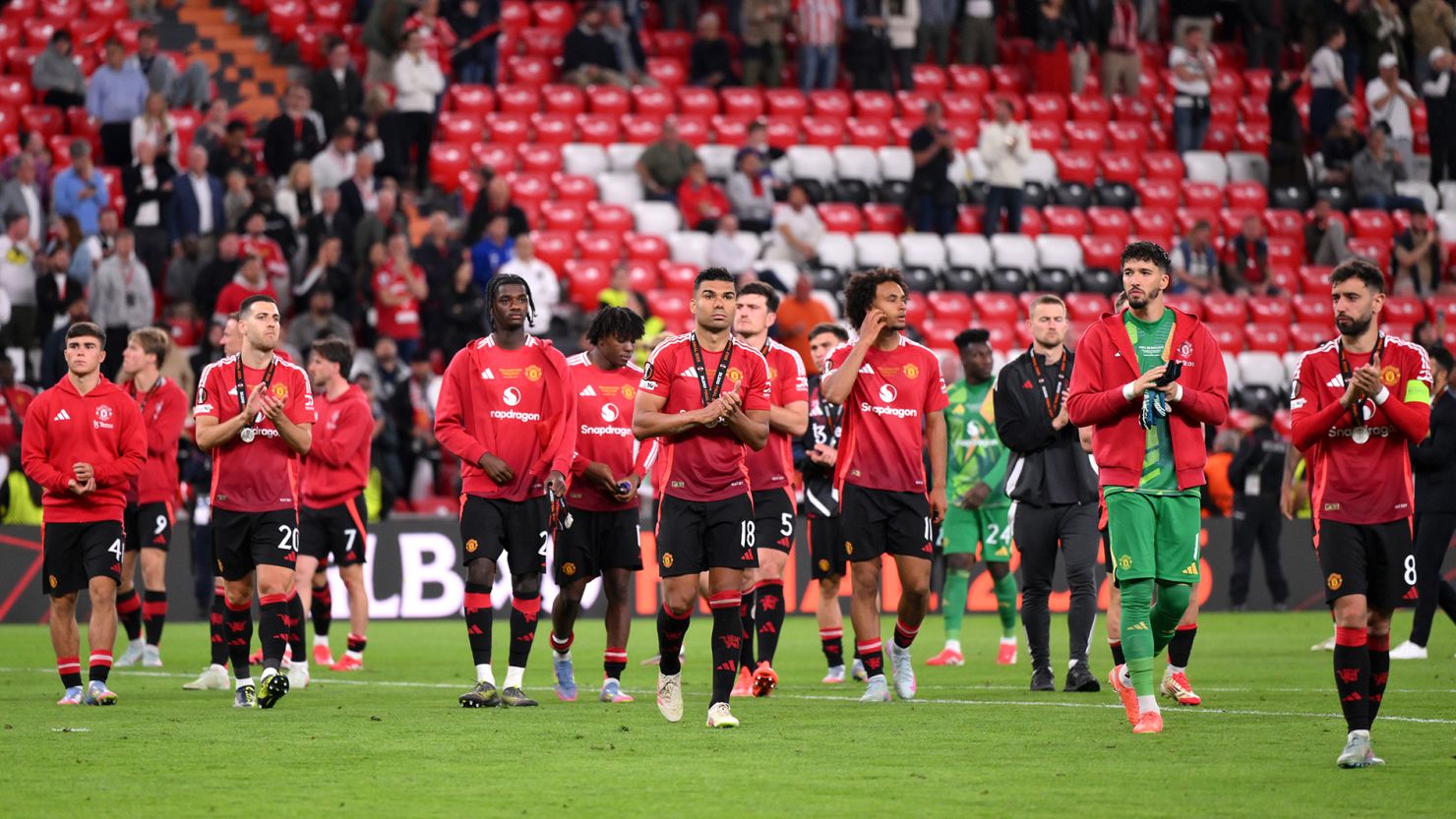
Introduction to Manchester United
When you talk about football royalty, it’s impossible not to mention Manchester United. Known as one of the most iconic clubs in the history of the sport, has built a legacy that stretches far beyond trophies and titles. From its humble beginnings to becoming a global powerhouse, the club represents passion, resilience, and excellence.
Founded in 1878 as Newton Heath, the club later rebranded to Manchester United in 1902. Over the decades, it has grown into a symbol of English football and a major force in global sports culture. The club’s journey has been filled with highs and lows, but each chapter has added depth to its rich story.
What makes Manchester United truly special isn’t just its success on the pitch—it’s the emotional connection it shares with millions of fans worldwide. Whether you’re watching a match at Old Trafford or following from across the globe, supporting United feels like being part of something bigger.
The Historic Rise of Manchester United
Manchester United’s rise to prominence wasn’t an overnight success. In fact, the club faced several struggles in its early years, including financial difficulties that nearly led to its collapse. However, resilience has always been part of its DNA, and the club managed to rebuild and establish itself in English football.
The turning point came under the legendary manager Sir Matt Busby, who transformed the club into a dominant force in the 1950s and 60s. Busby believed in nurturing young talent, which led to the creation of the famous “Busby Babes.” This group of young players captured the imagination of fans with their exciting style of play and fearless attitude.
Tragically, the Munich Air Disaster shook the club to its core. The disaster claimed the lives of several players and staff, leaving a deep scar in the club’s history. However, United’s response to this tragedy—rebuilding and eventually winning the European Cup in 1968—remains one of the most inspiring stories in sports history.
The Sir Alex Ferguson Era: Dominance Redefined
If there’s one period that defines Manchester United modern success, it’s the era of Sir Alex Ferguson. Appointed in 1986, Ferguson went on to become the most successful manager in the club’s history, leading United to an unprecedented level of dominance.
Under Ferguson, won 13 Premier League titles, 5 FA Cups, and 2 UEFA Champions League trophies. His ability to rebuild teams, manage big personalities, and consistently deliver results set him apart from his peers. He didn’t just build teams—he built dynasties.
One of the most memorable moments of this era was the 1999 treble-winning season, where United secured the Premier League, FA Cup, and Champions League in dramatic fashion. It wasn’t just about winning; it was about the style, the drama, and the never-give-up attitude that defined Ferguson’s teams.
Iconic Players Who Defined the Club
Over the years, Manchester United has been home to some of the greatest footballers the world has ever seen. These players didn’t just wear the jersey—they became legends who shaped the club’s identity.
Names like George Best, Eric Cantona, and Ryan Giggs are synonymous with the club’s success and flair. Each brought something unique—Best’s brilliance, Cantona’s charisma, and Giggs’ longevity and consistency.
In more recent times, players like Cristiano Ronaldo and Wayne Rooney have carried the torch forward. Their contributions have not only added to the club’s trophy cabinet but also inspired a new generation of fans and players.
Old Trafford: The Theatre of Dreams
No discussion about Manchester United is complete without mentioning its iconic home ground, Old Trafford. Known as the “Theatre of Dreams,” this stadium has been the stage for countless unforgettable moments.
With a seating capacity of over 70,000, Old Trafford is one of the largest stadiums in England. But it’s not just about size—it’s about atmosphere. The roar of the crowd, the chants, and the energy create an experience that is unmatched in world football.
Over the years, Old Trafford has witnessed historic matches, dramatic comebacks, and legendary performances. For fans, visiting this stadium is almost like a pilgrimage—a chance to connect with the club’s rich heritage.
Global Fanbase and Cultural Impact
Manchester United isn’t just a football club—it’s a global phenomenon. With millions of fans spread across every continent, the club has one of the largest and most passionate fanbases in the world.
This global reach has been fueled by decades of success, iconic players, and smart branding. From Asia to Africa, and from Europe to the Americas, influence extends far beyond the pitch. The club has become a cultural icon, representing ambition, resilience, and excellence.
In countries like Pakistan, the club enjoys massive support, with fans passionately following every match. Social media, live broadcasts, and fan communities have further strengthened this connection, making Manchester United a truly global brand.
Challenges in the Modern Era
While Manchester United has enjoyed immense success, the post-Ferguson era has presented its fair share of challenges. Following the retirement of Sir Alex Ferguson in 2013, the club has struggled to maintain the same level of consistency and dominance.
Multiple managerial changes, inconsistent performances, and fierce competition in the Premier League have made it difficult for United to reclaim its former glory. However, these challenges are also part of the club’s evolving story.
Despite the ups and downs, continues to invest in young talent and rebuild its squad. The club’s commitment to returning to the top remains strong, and fans remain hopeful for a new era of success.
The Future of Manchester United
Looking ahead, the future of Manchester United is filled with both challenges and opportunities. With a strong foundation, a rich history, and a global fanbase, the club has all the ingredients needed for a resurgence.
The focus on youth development, strategic signings, and modern football tactics could pave the way for a new golden era. While the competition is tougher than ever, Manchester United has proven time and again that it can rise to the occasion.
Ultimately, the club’s story is far from over. Whether it’s lifting trophies or inspiring fans, will continue to be a major force in the world of football.
Conclusion
Manchester United is more than just a football club—it’s a legacy built on passion, resilience, and excellence. From the early days of Newton Heath to becoming a global powerhouse, the journey has been nothing short of extraordinary.
With legendary managers like Sir Matt Busby and Sir Alex Ferguson, iconic players, and unforgettable moments, the club has left an indelible mark on football history. Even in challenging times, the spirit of remains unshaken.
As the club moves forward, one thing is certain: the story of Manchester United will continue to captivate and inspire generations to come.